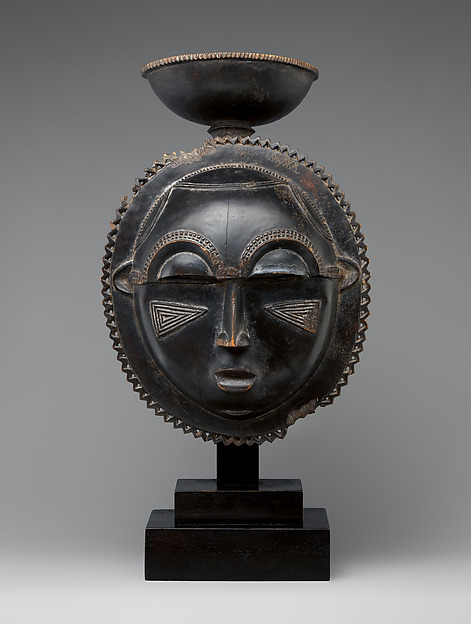
The Meaning Behind Ceremonial Masks
Why form is only the beginning—and why performance, community language and collection history belong beside the object.
Read articleObjects · makers · living context
Source-led stories about the materials, making and meanings connected with masks and drums—always grounded in a named place, object record or living tradition.
Explore the Stories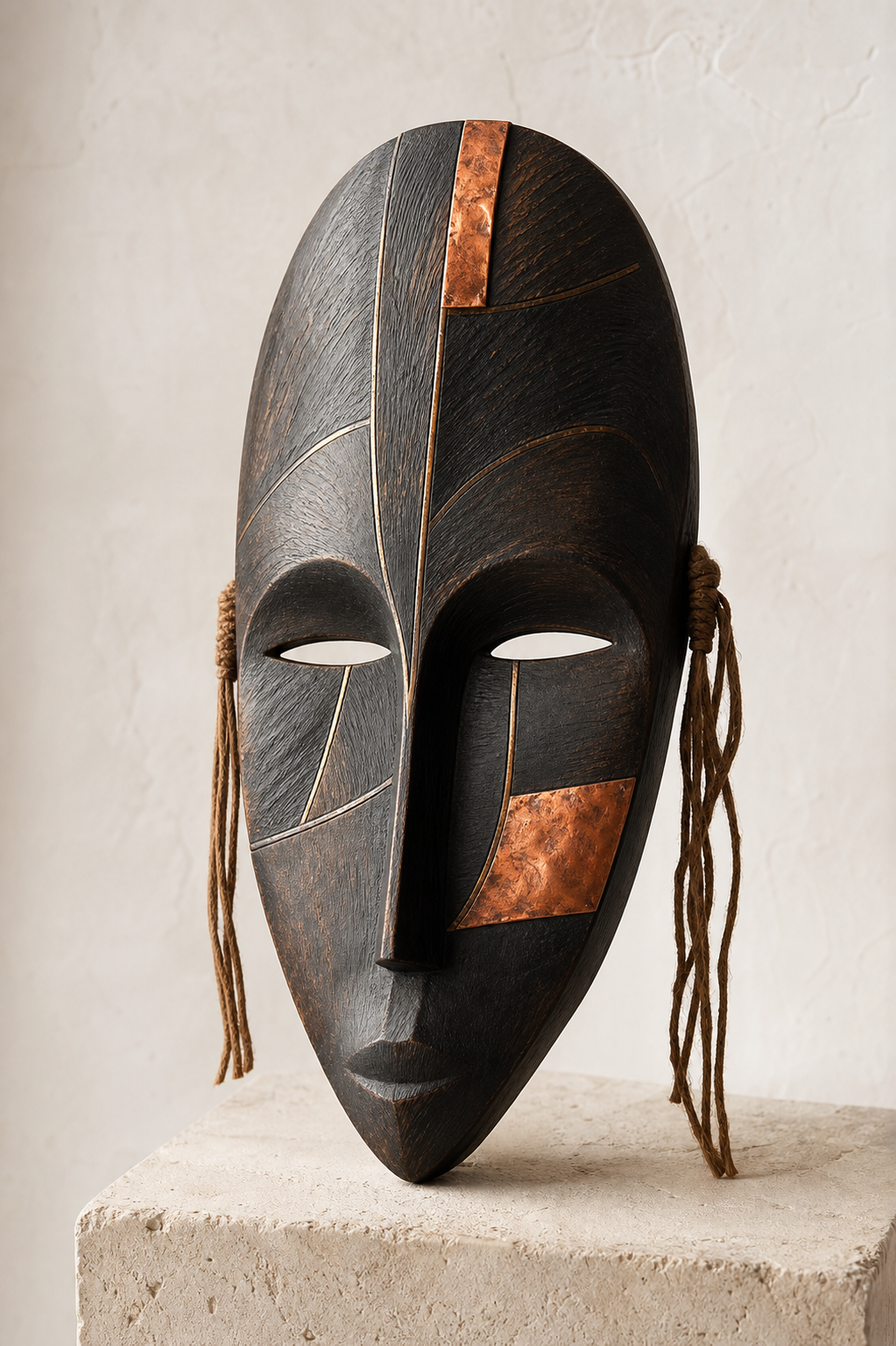
Featured stories
Four starting points for understanding performance, construction, fire traditions and material knowledge without collapsing distinct cultures into one story.
Why form is only the beginning—and why performance, community language and collection history belong beside the object.
Read article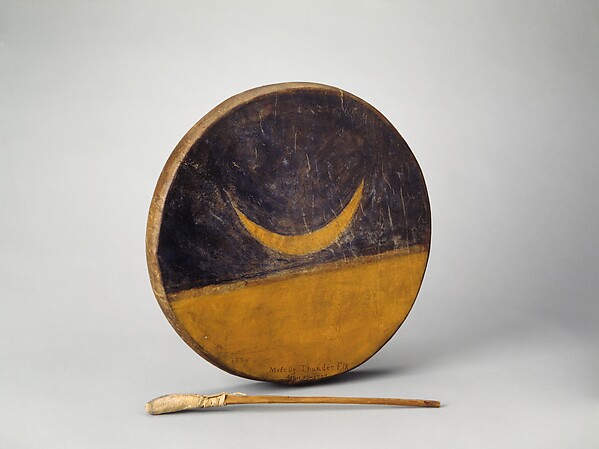
A material-first guide to hollow bodies, membranes, tension and the evidence preserved in museum records.
Read articleThree named traditions show why fire must be interpreted locally, not treated as a universal code.
Read article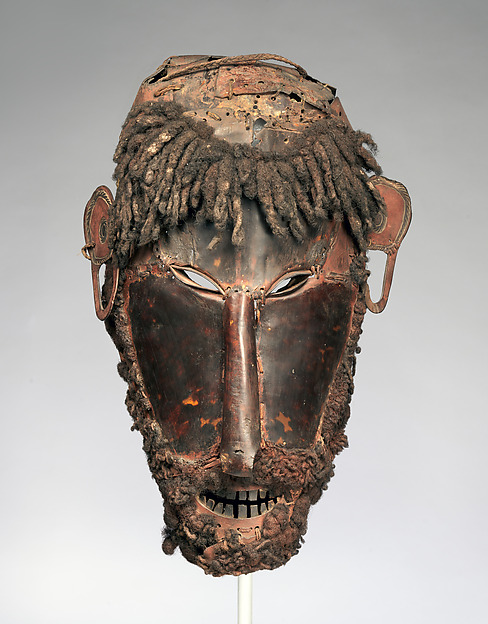
How wood grain, shell joins, hammered metal and pigment can be described without inventing cultural meanings.
Read articleObject archive · 12 records
“Mask” is a broad museum label. These twelve records lead to theatre, mortuary regalia, public performance, royal history and objects that may never have been worn. Each story keeps its own context.
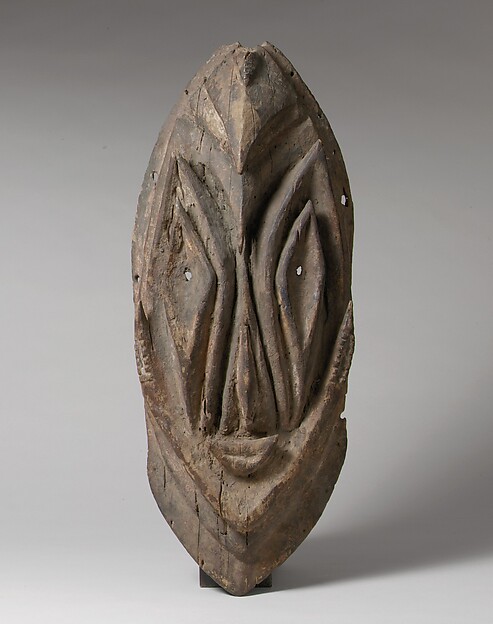
Romkun, Breri or Igana people · Papua New Guinea
Pierced eyes and attachment holes suggest that this object may have been made for dance, but its masking tradition is not well documented.
Read the storyTorres Strait Island people · Australia
A carefully assembled turtle-shell mask associated in the museum record with several contexts, primarily funerary ceremonies.
Read the story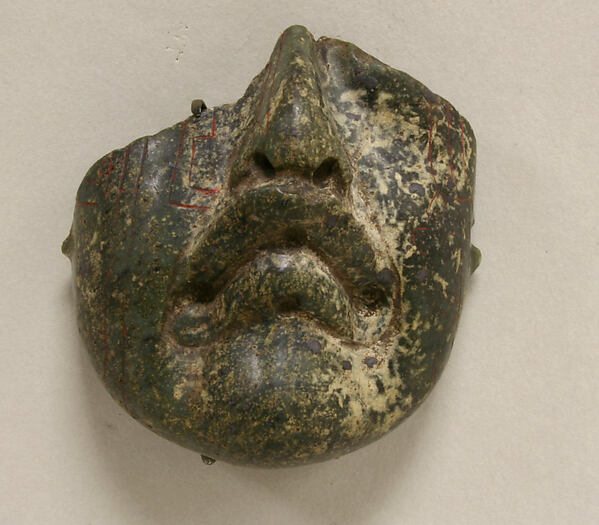
Olmec · Mexico
A surviving stone fragment whose polished material and carved features show highly controlled lapidary work.
Read the storyBaule peoples · Côte d’Ivoire
The museum places this work among entertainment masks used in public daytime mblo or gbagba performances.
Read the story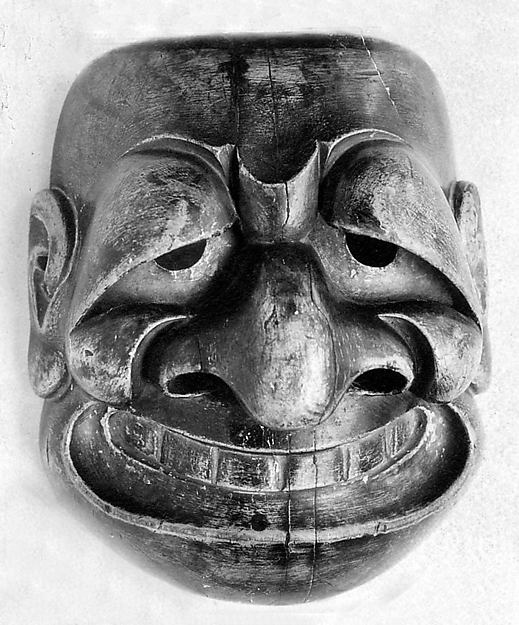
Japan · Japan
A carved theatre mask whose expression changes with the performer’s controlled movement and the direction of light.
Read the story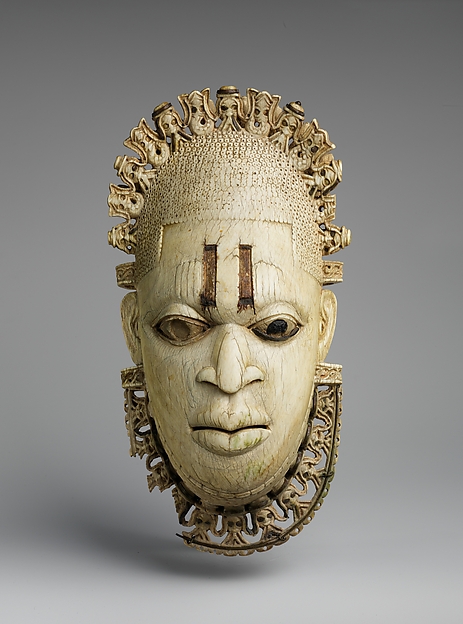
Edo peoples · Nigeria
A royal ivory pendant associated with Ìyọ́bà Idià and the court of Benin, made from materials carrying political and spiritual significance.
Read the story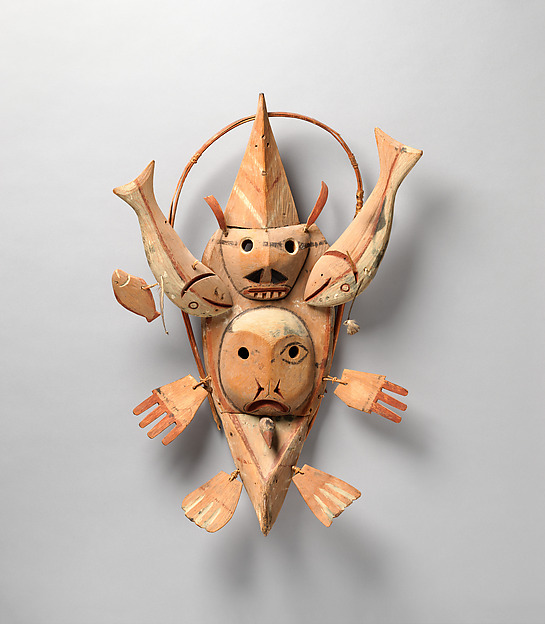
Yup’ik · Alaska, United States
The catalogue describes a layered composition connecting a hunter’s kayak, a seal spirit, a bird head and supernatural animals.
Read the story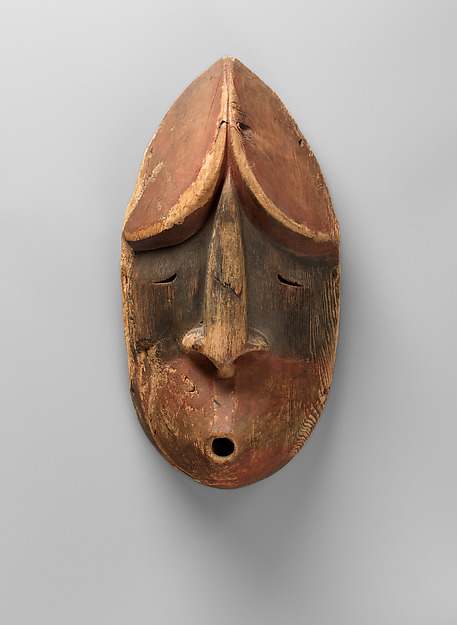
Alutiiq / Sugpiaq · Alaska, United States
The museum record connects this expressive mask with music, performance and whistling spirit presences.
Read the story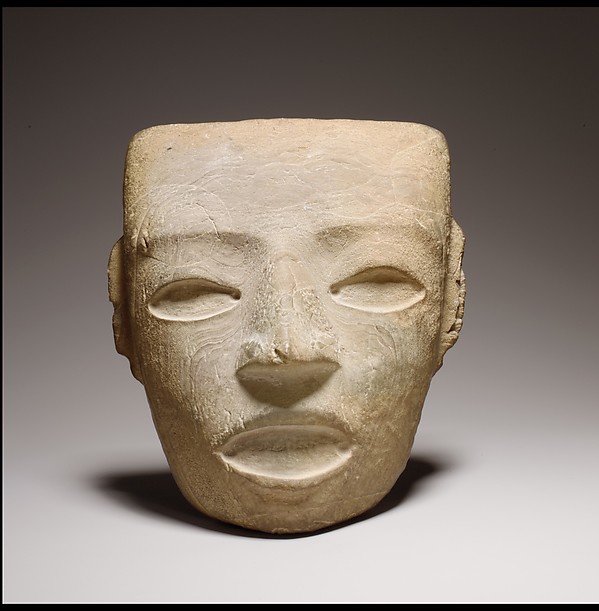
Teotihuacan · Mexico
Its weight and lack of eye openings make it unlikely that this stone object was worn on a human face.
Read the story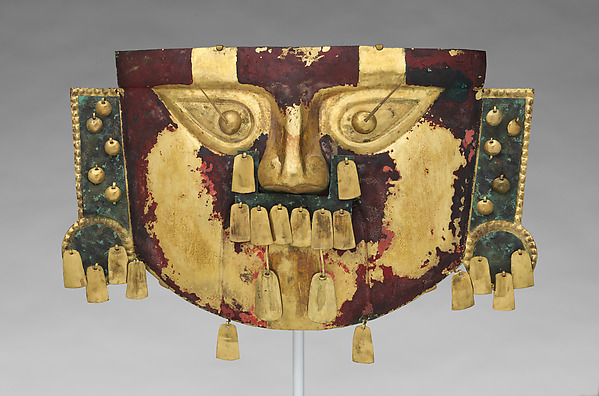
Lambayeque / Sicán · Peru
A large gold-alloy mask with red pigment that formed part of elite mortuary regalia.
Read the story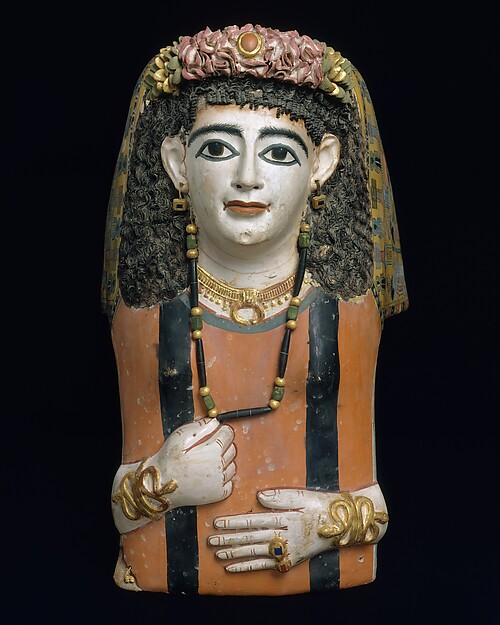
Roman Egypt · Egypt
A painted funerary covering made in Roman Egypt, combining modelled cartonnage with an idealised portrait.
Read the story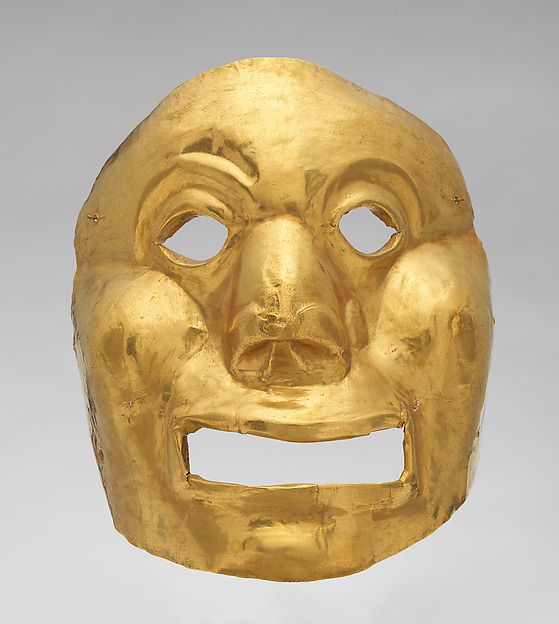
Calima / Ilama · Colombia
A thin hammered-gold face whose transformation of metal into a human-like surface invites questions about bodies, status and deposition.
Read the storyImages: Public Domain · The Metropolitan Museum of Art, Open Access. Object pages link to the current catalogue record.
Drums · material and sound
A ceramic vessel, a shallow frame and a hollow wooden body solve resonance differently. The object can document materials and making; it cannot, by itself, tell us the repertoire or social occasion.
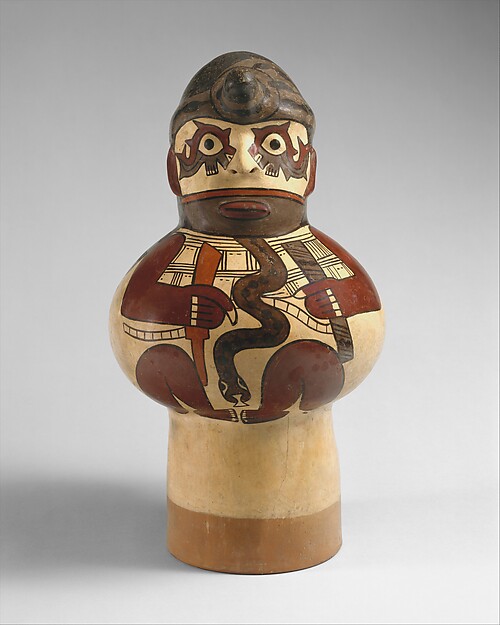
Peru · 100–400 CE
United States · circa 1887
Uganda · 19th century
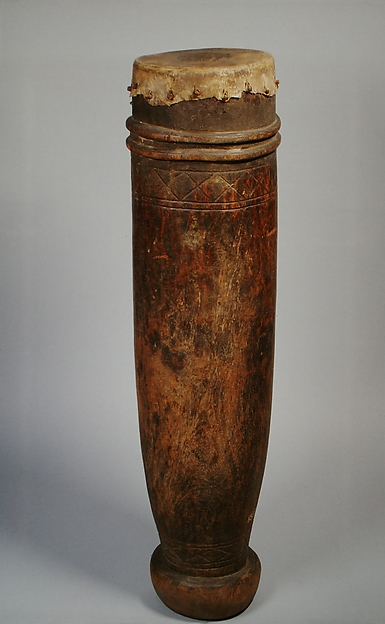
DR Congo · 19th century
Drums & Making
Drums & Performance
Drums & Making
Research Practice
Fire and symbolism
Fire can signal renewal, light or transformation in particular settings. It does not carry one meaning everywhere.
UNESCO documents Sadeh/Sada in Iran and Tajikistan as a seasonal celebration around fire, and Nestinarstvo in Bulgari, Bulgaria, as a locally rooted panagyr culminating in fire-dancing. The Met’s account of Japanese Esoteric Buddhist goma-e describes burning as the symbolic destruction of defilements. We compare these named practices without blending them.
Read the sourced featureEditorial method
Our workflow makes the line between evidence and interpretation visible. No anonymous testimonials, invented authorities or untraceable claims.
We begin with named collection records, institutional scholarship and official living-heritage documentation.
We preserve community, maker and museum terminology while flagging uncertain or legacy attributions.
We only claim consultation when a real, named specialist has participated and can be credited. This release makes no such claim.
Every feature shows its desk byline, publication date, update date and linked sources.
Current release Published August 2026 · Last editorial review 24 August 2026 · Read the full policy
Reader questions
Short answers, with limits made visible.
There is no single use. Documented examples include theatre, funerary contexts, court ceremony, public entertainment and community performance. A mask’s function must be tied to its own people, place, date and source.
Methods depend on the object: carved wood, assembled shell, hammered metal, modelled cartonnage and stone carving all appear in this archive. Materials alone do not reveal a complete cultural meaning.
Drums can support music, dance, communication, ceremony and social gathering, but their roles and repertoires are learned locally. We avoid assigning one function to every drum.
In specific documented settings it can relate to seasonal change, veneration, purification, light or transformation. Those meanings are not universal; our fire section compares named records instead of inventing a single code.
The object photographs and catalogue details on this release come from The Metropolitan Museum of Art’s Open Access collection. Every card links to its museum record and retains the recorded cultural attribution.
The editorial desks compare primary collection records with official institutional scholarship, record uncertainty, link every core source and review pages when catalogues change.
About the editorial team
This launch uses transparent institutional desk bylines because no verified individual contributors were supplied. Named biographies will appear only for real people who approve publication.
Meet the publicationContext and source review
Builds source lists from museum collections, UNESCO records and specialist publications; records uncertainty instead of filling gaps.
Object histories and captions
Checks catalogue wording, materials, dates, cultural attribution, image rights and provenance notes before publication.
Corrections and accountability
Reviews claims, source links, disclosures and corrections. Named contributors will be published only when real identities and roles are confirmed.